Herbal Smoking and the Journey Away from Tobacco
An honest, practical guide for anyone thinking about making the switch.
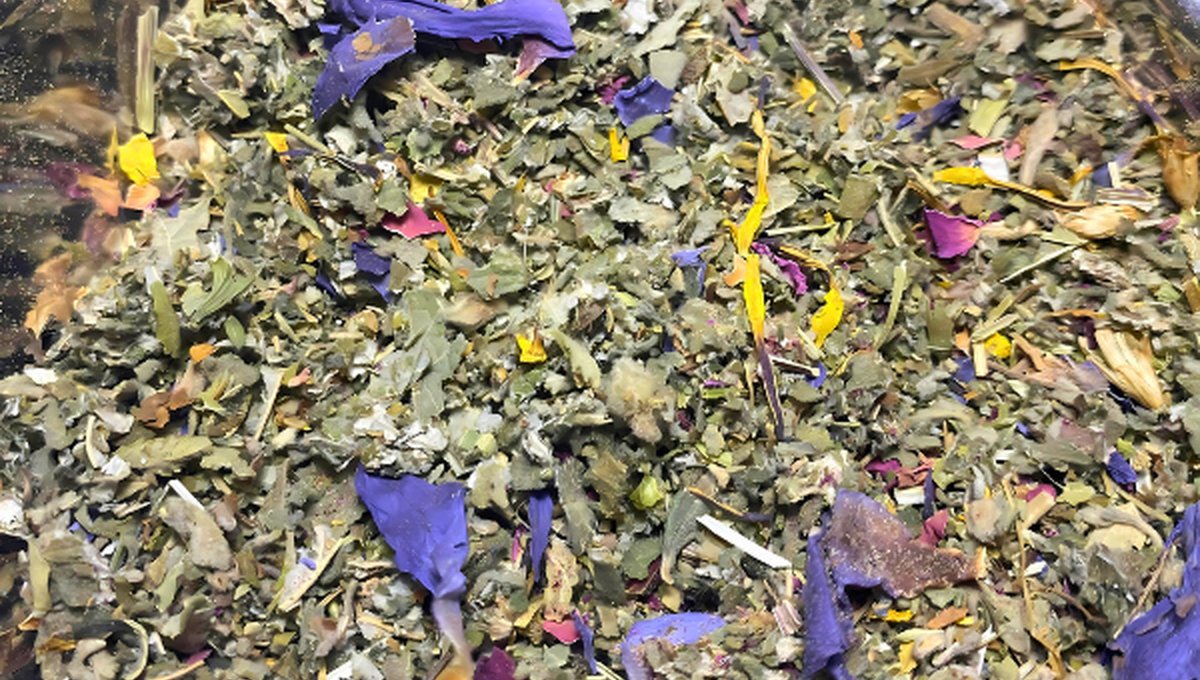
If you are reading this, chances are you have thought about stepping away from tobacco but something holds you back. Maybe you have tried quitting cold turkey and it did not stick. Maybe nicotine patches and gums felt clinical and joyless. Or maybe you realised that what you actually miss is not the nicotine at all. It is the ritual.
The inhale, the warmth of it in your hands, those five minutes that belong entirely to you. That moment is real, and it matters. Quitting tobacco does not have to mean losing it.
What is herbal smoking?
Herbal smoking is the practice of smoking blends made entirely from dried herbs, flowers and botanicals, without tobacco, nicotine or synthetic additives. It is not new. Humans have been smoking herbs for thousands of years, long before tobacco became the dominant plant. Mullein, damiana, mugwort, rose petals and many other plants have been used across cultures as part of ritual and personal practice.
Modern herbal smoking blends combine these traditional botanicals into crafted recipes, much like a tea blend but designed for smoking. Each herb plays a different role. Mullein gives the blend its smooth, gentle base while damiana adds warmth and body. Roses bring sweetness, and mugwort anchors the whole thing with an earthy depth.
Why people struggle to quit tobacco
Most people think quitting smoking is purely about breaking a nicotine addiction. It is not that simple. Research consistently shows that smoking behaviour is tied to multiple factors beyond chemical dependency.
Nicotine replacement products (patches, gums, sprays) address the chemical side but leave the behavioural and ritual side completely untouched. That is why so many people find them unsatisfying. They solve one problem while ignoring another.
Where herbal smoking fits
Herbal blends do not contain nicotine. They are not a nicotine replacement therapy and they are not marketed as a smoking cessation product. What they offer is something different: a way to keep the ritual while removing the tobacco.
For people who are not ready to quit the act of smoking entirely, herbal blends provide a stepping stone. You keep the ritual you actually enjoyed. You lose the nicotine and the thousands of chemicals found in commercial cigarettes. Some people use herbal blends as a full replacement. Others mix them with tobacco at first, gradually reducing the ratio over time until they are smoking herb only. There is no single right way to do it.
What to expect when you try herbal smoking
It will feel different at first
Herbal smoke is noticeably lighter and milder than tobacco. If you are used to the harshness and throat hit of cigarettes, the first few sessions may feel "too light." This is normal. Give yourself a few days to adjust. Your palate will recalibrate, and you will start to notice the subtleties of the herbs themselves.
Some blends are stronger than others
Not all herbal blends are created equal. If you are transitioning from tobacco, start with a fuller, bolder blend that delivers a more satisfying experience rather than a gentle, floral one. The biggest mistake first timers make is starting too light and deciding herbal smoking "doesn't work" before they have tried a blend that matches their needs.
The ritual matters more than the blend
How you smoke is as important as what you smoke. Take your time. Take your time rolling. Light it slowly and let it be a moment rather than a habit. The ritual is what makes herbal smoking feel intentional rather than automatic, and intentional smoking is a fundamentally different relationship to the act than addictive smoking.
Gradual transition: a practical approach
If you are currently smoking tobacco and want to transition, here is a method that many people find manageable.
Weeks 1 to 2: Mix your herbal blend with your usual tobacco at a ratio of roughly 25% herb to 75% tobacco. Get used to the presence of the herbs in the smoke. Notice the difference in taste and feel.
Weeks 3 to 4: Shift to 50/50. By now the herbal smoke should feel familiar. You may notice the tobacco element feels harsher by comparison.
Weeks 5 to 6: Move to 75% herb, 25% tobacco. The tobacco is now the minority. Most of what you are smoking is botanical.
Week 7 onwards: Try going fully herbal. Some people make this final step easily. Others sit at the 75/25 ratio for a while longer. There is no deadline. The point is progress, not perfection.
Herbs commonly used in smoking blends
These are some of the most widely used botanicals in traditional herbal smoking, each valued for different qualities.
Mullein is one of the most popular base herbs in herbal smoking. A staple of traditional European herbalism, it produces a smooth, light smoke and has been used for centuries as a gentle smoking herb.
Damiana comes from the Mexican and Central American herbal tradition. Known for its warm, slightly sweet character, it adds depth and body to a blend.
Mugwort is one of the oldest herbs in European folk tradition, valued for its earthy, grounding quality.
Rose petals soften and sweeten a blend, adding a floral, aromatic layer.
Sage brings a warm, herbaceous quality and has been used across cultures for cleansing and grounding.
Blue lotus has been used since ancient Egyptian times and is valued for its gentle, dreamy character.
Lemon balm is a member of the mint family, known for its bright, citrusy aroma and calming presence.
Explore the Peachy range
Two handcrafted blends, designed for different moments. Both tobacco free, nicotine free, and made with intention.
Disclaimer. This guide is for informational purposes only. Herbal smoking blends are not smoking cessation products and are not intended to diagnose, treat, cure or prevent any disease or condition. Inhaling any smoke carries health risks. If you are trying to quit smoking, consult a healthcare professional for personalised advice. The NHS offers free smoking cessation support through your GP or local stop smoking service. Peachy Herbal Blends are for adults 18+ only.